Contact     Events    Union jobs     Join a union    

  • X
  • facebook
  • youtube
  • flickr
Home
  • What Unions Do
    • Why join a union?
    • Join a union
    • Browse our unions
  • Our Work
    • Campaigns
      • A New Deal for Retail & Distribution Workers
      • Education Sector Group
      • Energy Sector/ Just Transition
      • Health Sector Group
      • Raise the Roof
    • Congress Youth
    • Economy
    • Education & training
      • Courses
    • Environment
    • Equality
      • Disability
      • Gender Equality
      • LGBT
      • Race
    • Global solidarity
    • Health & Safety
      • Safety Representatives
      • Workers' Memorial Day
  • About Congress
    • History of Congress
    • Affiliated unions
      • Associate members
      • Trade councils
    • Affiliations & Representations
      • Republic of Ireland
      • Northern Ireland
      • International
    • Northern Ireland
    • Conferences
      • Motions
    • Staff & Executive Council
    • Committees
    • Union jobs
  • Media
    • News
    • Blog
  • Publications
  • Conference

Breadcrumb

  1. Home
  2. News
  3. The Marriage Bar: A ban on employing married women

The Marriage Bar: A ban on employing married women

July 31, 2023
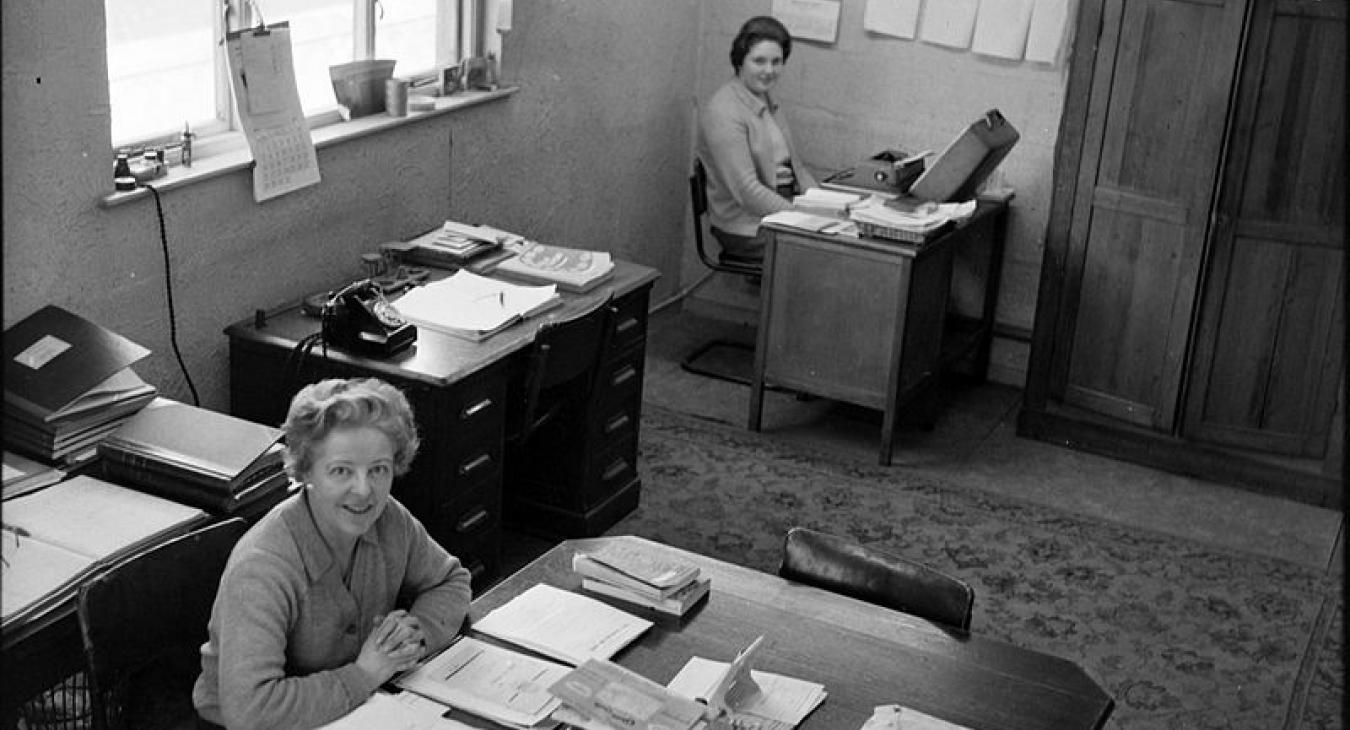
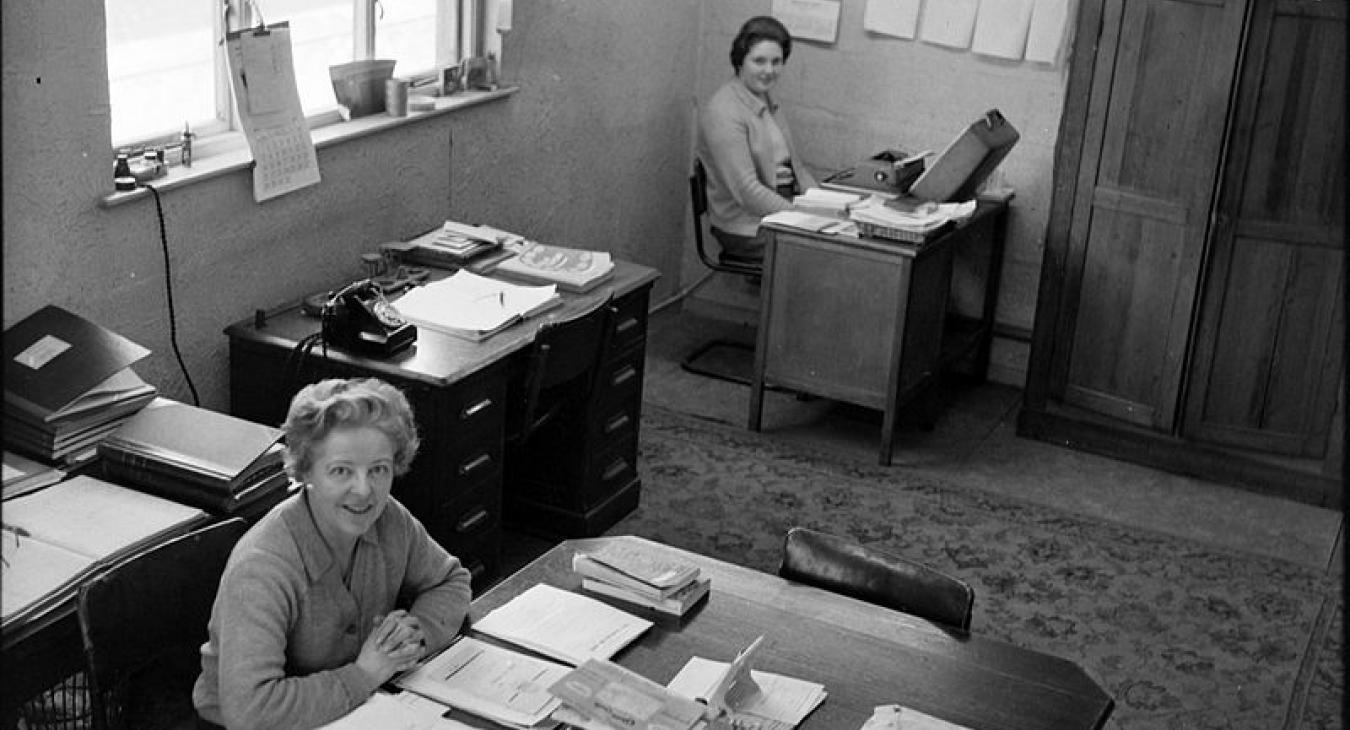
Women typists marriage bar

The legislation ending the marriage bar in the Irish civil service became law 50 years ago today, on 31 July 1973. The marriage bar required single women civil servants to resign from their job when they married and banned married women from joining the permanent civil service.

To mark the 50th anniversary of the Civil Service (Employment of Married Women) Act, our social policy officer Dr Laura Bambrick is presenting at trade union members’ events throughout the year on the background to the ban on employing married women. 

Dr Bambrick said: “The marriage bar was the most blatant form of gender discrimination in the history of women’s employment.

“Yet it had almost universal public support, including among women. Only the rare few women in senior positions were likely to resent it.

“Marriage bars fell out of fashion after World War II across Europe, including in the British civil service from 1946. What makes Ireland unusual is that we were one of the last countries to enforce a marriage bar on working women.

“A commission of inquiry established by the government in 1970 to investigate the treatment of women across Irish society recommended ending the civil service marriage bar. The Commission on the Status of Women pointed out that any practices of systematic downgrading of women workers would be incompatible with the requirements for EEC membership after Ireland joined in 1973.

“The marriage bar in the civil service ended in 1973 and in the wider public sector the following year. 

“However, the lump sum ‘marriage gratuity’ payment of a month’s pay per year served would continue to be paid to civil and public servants who quit voluntarily when they married. This was too good an offer to turn down for most young brides starting out married life. But it came at a high cost in terms of their future pension entitlements which is still felt today.”

Laura's presentation can be read here. Marriage Bar (July 2023).pdf

Tags
Historic Events
  • Twitter
  • Facebook
  • Linked in

Latest

Gss_speaker
ICTU hosts Global Solidarity Summer School In Wexford with warning on rise of racist violence and attacks on workers' rights worldwide
21 Aug, 2026 | News
lecture
Higher and Further Education unions raise concerns over refusals of Gazan student visas
14 Aug, 2026 | News
Government buildings
End costly gimmicks and deliver a workers' budget, urges Irish Congress of Trade Unions
14 Jul, 2026 | News
Gaza Protest
Government must press for release of imprisoned Gaza doctor - Trade unions
08 Jul, 2026 | News
EU flag
Irish presidency must end ‘bank of mum and dad’ traineeships
03 Jul, 2026 | News
David Joyce speaking at the ILO 2026
Report on the International Labour Conference 2026
01 Jul, 2026 | Publication

Congress logo white

Privacy policy

We use necessary cookies to make our site work. We also use analytics cookies that don't track users to help us improve it. See our Privacy Statement & Cookie Policy.

Read the Congress Whistleblowing / Speak Up Policy and Code of Conduct for Meetings, Events and Courses.

Committee members can login here.

Follow us

  • X
  • facebook-f
  • youtube
  • flickr

Irish Congress of Trade Unions

31/32 Parnell Square
Dublin 1
Ireland
Tel: +353 1 8897777
Fax: +353 1 8872012
Email: [email protected]

Copyright ©, Irish Congress of Trade Unions, 2024. Website by Infobo.

Footer

  • Privacy policy
  • Cookies
Home
ICTU
  • What Unions Do
    • Why join a union?
    • Join a union
    • Browse our unions
  • Our Work
    • Campaigns
      • A New Deal for Retail & Distribution Workers
      • Education Sector Group
      • Energy Sector/ Just Transition
      • Health Sector Group
      • Raise the Roof
    • Congress Youth
    • Economy
    • Education & training
      • Courses
    • Environment
    • Equality
      • Disability
      • Gender Equality
      • LGBT
      • Race
    • Global solidarity
    • Health & Safety
      • Safety Representatives
      • Workers' Memorial Day
  • About Congress
    • History of Congress
    • Affiliated unions
      • Associate members
      • Trade councils
    • Affiliations & Representations
      • Republic of Ireland
      • Northern Ireland
      • International
    • Northern Ireland
    • Conferences
      • Motions
    • Staff & Executive Council
    • Committees
    • Union jobs
  • Media
    • News
    • Blog
  • Publications
  • Conference
Clear keys input element